Global workshop on urban ecosystem restoration hosted in Cape Town
28 March 2025
The City of Cape Town, as a role model city, reaffirmed its commitment to urban ecosystem restoration by hosting the United Nations Environment Programme’s (UNEP) Generation Restoration capacity building workshop this week.
The City of Cape Town is an active participant in UNEP’s Generation Restoration programme in partnership with ICLEI Africa. The Generation Restoration programme aims to promote and implement urban ecosystem restoration around the world.
The City has served as a ‘role model city’ for this project since September 2023 and hosted the final in-person workshop from 25 March to 28 March 2025 at the Smart Living Education Centre in Green Point Park, bringing together over 19 international cities.
The workshop facilitated knowledge sharing among local government practitioners with a focus on:
• Success stories and lessons learnt from the implementation and scaling up of urban ecosystem restoration projects
• Opportunities for further engagement and collaboration across cities and regions with donors and experts
• Strengthening global networks of like-minded local government practitioners intended to last beyond December 2025, at the end of the project
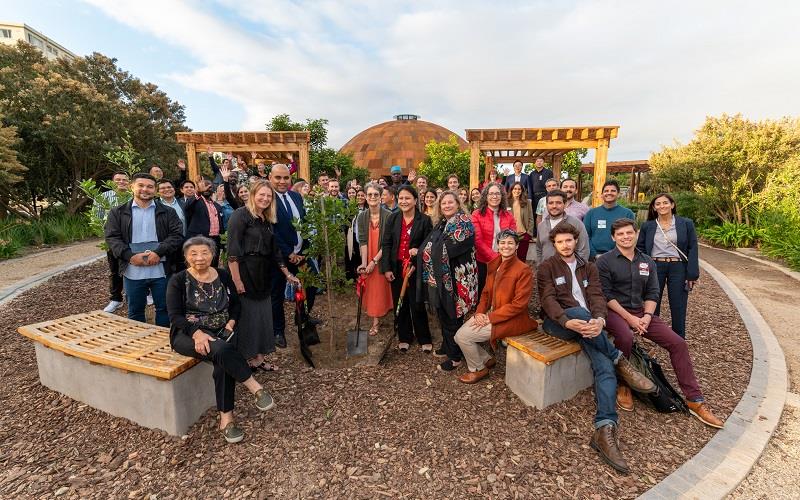
The organisers, UNEP and ICLEI, will use the workshop outcomes as a contribution to the UN Decade on Ecosystem Restoration, drawing from the expertise and experience of Generation Restoration cities.
A diverse group of participants attended the workshop – from individuals at the mid- to senior-technical levels with experience in urban planning, biodiversity conservation, landscape architecture and related fields, to professionals in infrastructure development. Among the attendees were 60 representatives from various pilot cities and role model cities, along with representatives from UNEP, ICLEI, GIZ, knowledge and technical assistance partners, and donors.
‘Team Cape Town is committed to preserving and enhancing the natural environment within and around our city’s urban area. This initiative aligns with our vision for a sustainable and resilient future. We know that all around the world more and more people are relocating to cities in search of better lives and opportunities. This mass migration means we have a collective responsibility to ensure we do all we can to protect and preserve our precious natural resources and assets,’ said the City’s Deputy Mayor and Mayoral Committee Member for Spatial Planning and Environment, Alderman Eddie Andrews.
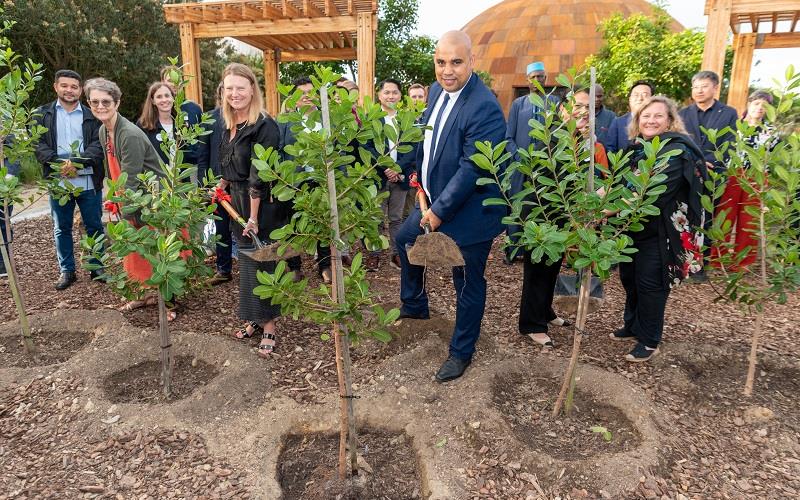
Sharon Gil, Cities Lead, Climate Change Division at UNEP added: ‘This workshop is a big step in reshaping how cities interact with nature. By bringing together experts from local governments, universities, civil society, and global organisations, we're building the knowledge and networks to make nature a key part of urban planning. Cape Town's leadership shows that cities can lead the way in restoring ecosystems and creating a more sustainable, resilient future.’
‘Cities are at the forefront in tackling the climate and biodiversity crisis. This was evident in the workshop where cities from around the world showcased their actions to restore ecosystems. As a city located in a biodiversity hotspot, Cape Town’s vision for its unique natural assets are a great example of how cities can contribute to global biodiversity targets and enhance climate resilience,’ said Ingrid Coetzee, Director: Biodiversity, Nature and Health, ICLEI Cities Biodiversity Centre.
Cape Town has completed a range of restoration projects and delegates visited a number of these during the workshop.
Formal site visits to the City’s rehabilitation programmes within and outside of formally protected areas focused on:
• Alien invasive species removal and restoration of indigenous vegetation programmes in the Blaauwberg area
• Coastal dune rehabilitation and restoration projects in the Bloubergstrand area specifically; and
• A number of projects relating to restoration and rehabilitation of wetland and river habitats, including examples linked to the City’s status as a Ramsar Wetland City and member of the Wetland Cities Network
Through Generation Restoration, the City of Cape Town has shared experiences on how to link restoration efforts to strategic planning, showcased different types of restoration projects, assisted in consideration of where to focus efforts and importantly, engaged with communities in a meaningful manner.
‘We look forward to continued collaboration with UNEP, ICLEI, other cities involved in the Generation Restoration programme, including both role model cities and the pilot cities selected to accelerate the development and implementation of comprehensive urban ecosystem restoration plans,’ said Alderman Andrews.
Cape Town remains committed to sharing best practices, strengthening collaboration, and driving impactful urban restoration initiatives beyond the project’s completion in December 2025. Ongoing initiatives and interactions include participation in a Community of Practice, and various knowledge exchange opportunities.
End
Published by:
City of Cape Town, Media Office